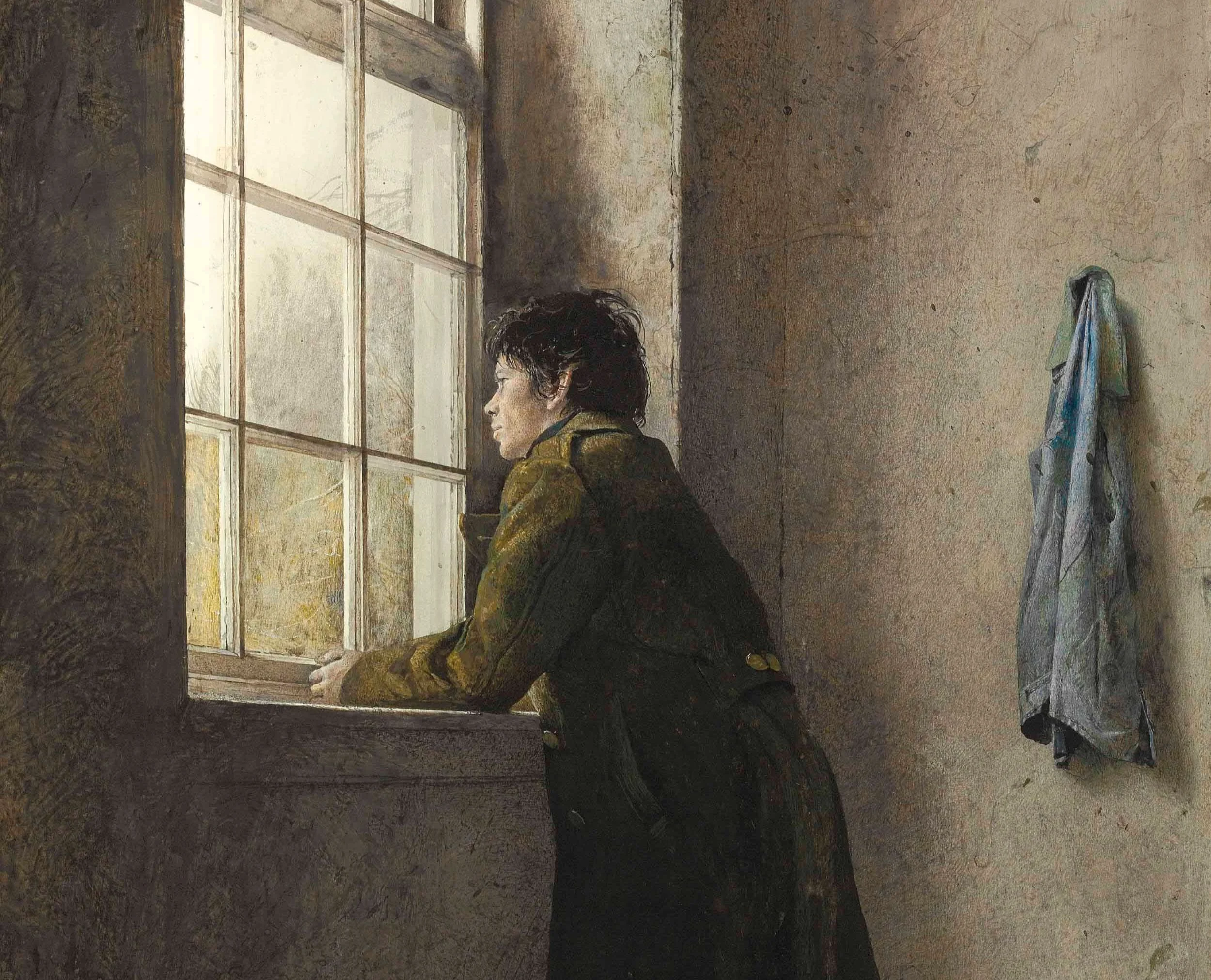

A serious question posed to you vacation travelers: Is the going still good? The environment has changed since we first addressed the matter seven years ago (MM 11/21/16 Is The Going Still Good?) with the observation of 17th century French philosopher Blaise Pascal, "The sole cause of man's unhappiness is that he does not know how to stay quietly in his room."
So why the need to travel? To penetrate mysteries? The earth scarcely withholds any secrets anymore, or at least not otherwise easily discoverable without all that expensive motion. For the trophies? For the bragging rights? Because it fosters some new forms of understanding? . . . .
. . . . which, as we addressed in the featured focus piece from that previous session: It may be a narcissistic fallacy of travel to imagine that one's mere passing through sets up a charmed understanding between traveler and native, or even a bare comprehension. A kind of Heisenberg Principle usually goes to work: the observation of visitors alters the behavior of the observed, sometimes in ugly ways. Theodore Roosevelt, age eleven, recorded a story in his diary of the family's grand tour in 1869. The Roosevelts tossed small pieces of cake to a crowd of Italian beggars: "We made them open their mouths and tossed cake into it." Like chickens, like pigeons in the park.
That same youngster, by the way, grew up to experience an altogether different level of travel as chronicled in River Of Doubt, the featured book in one of our pre-MM book club discussions, describing Teddy Roosevelt’s 1914 post-Presidency exploration of an undiscovered tributary of the Amazon. The number and the magnitude of the perils faced by that exploration party defies description but consider this: provisions were gone; the starving men were reduced to dynamiting the river to stun piranha; one man collecting fish, held another in his mouth; stunned fish comes around and bites off man’s tongue. Now that’s a travel experience…
Read More