Snippets of snobbism are part and parcel of my memory growing up in the Main Line area of Philadelphia fifty years ago. Those recollections include the occasional wine snobs. You know the breed. Gazing upward, they’d ape and fawn and presume a gentility that was not native to them; looking downward, they’d snub and sniff and sneer at those who didn’t share their pretensions.
A similar feeling came back reading our focus article On Taste asking how do we know whether art is any good? The concept of taste in art, we are told, originates in an individual’s unique, physical sense of taste. Yet we still mediate the idea of “good taste” through collective filters: what is in vogue, what received opinion dictates, and what experts say. Maybe the answer is simply to privately admit that some encounters with art are more meaningful than others. “Either you have experienced the power of art or you haven’t.”
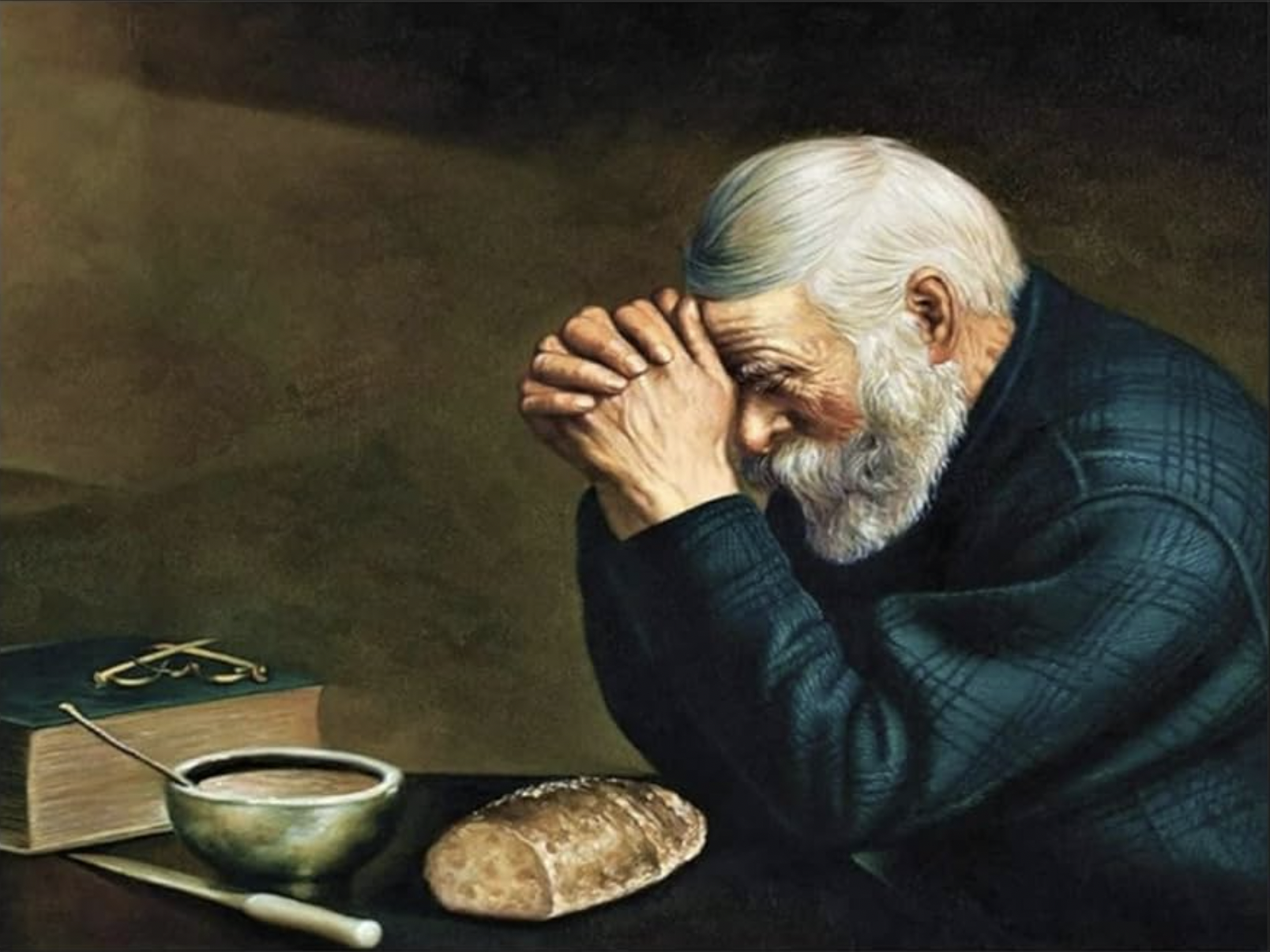
My standards back in the day were somewhat lacking at least as defined by the “tyranny of experts.” Perhaps it had been schooled out of me, as in “now look, that chiaroscuro is important” meant it would be on the test. Art to me is meaningful mainly to the extent it truly speaks to me, perhaps in the way that one painting, the one depicting an old man – hands together, eyes lowered, whether in prayer or contemplation, over a single loaf of bread and a bowl of soup on a wooden table – so powerfully evokes a sense of simplicity, humility, and gratitude…
Read More