
Memes, in the Dawkins sense, are the cultural equivalent of genes. Just as biological evolution acts on the genetic pool, cultural evolution acts on the memetic pool. A common fallacy about evolution is that the strongest traits are selected for. In reality, ill-suited traits die out while the rest remain by default.
To what extent can we consciously select against ill-suited memes? Harmful memes pose a paradox: compromising perpetuates them, and opposing them risks embodying their flaws. Yet, inaction guarantees their persistence. Perhaps the only response is thoughtful and integrated action despite its imperfections.
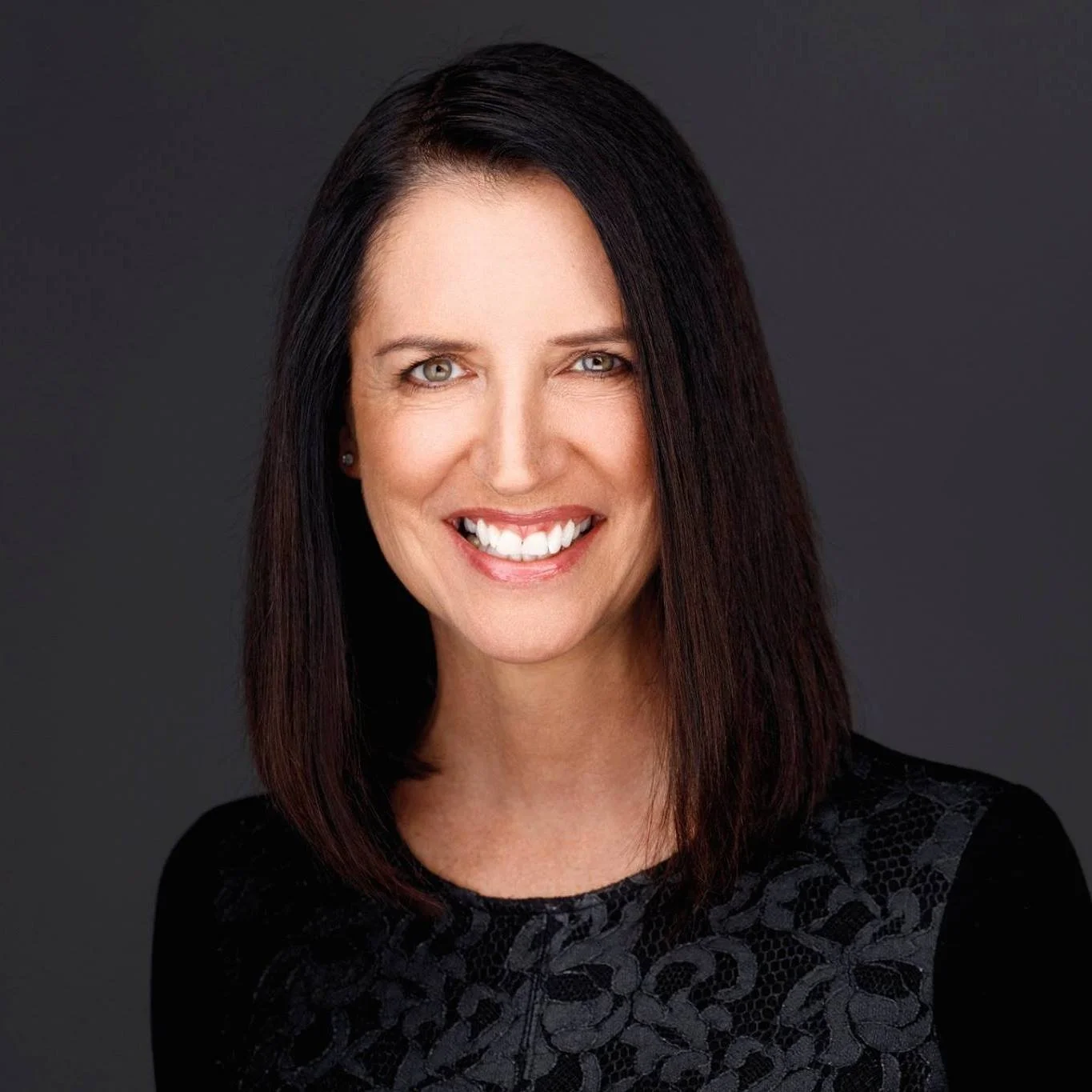
Stephanie Sladnick supports Highland Institute's work of imperfect connections—of people, ideas, and actions. From building operations platforms that support businesses, non-profits, and NGOs to volunteering with kids and with TEDxBoulder Salons, Stephanie strives to contribute meaningfully to her local and global community.
Read More