
Dialogical Intelligence
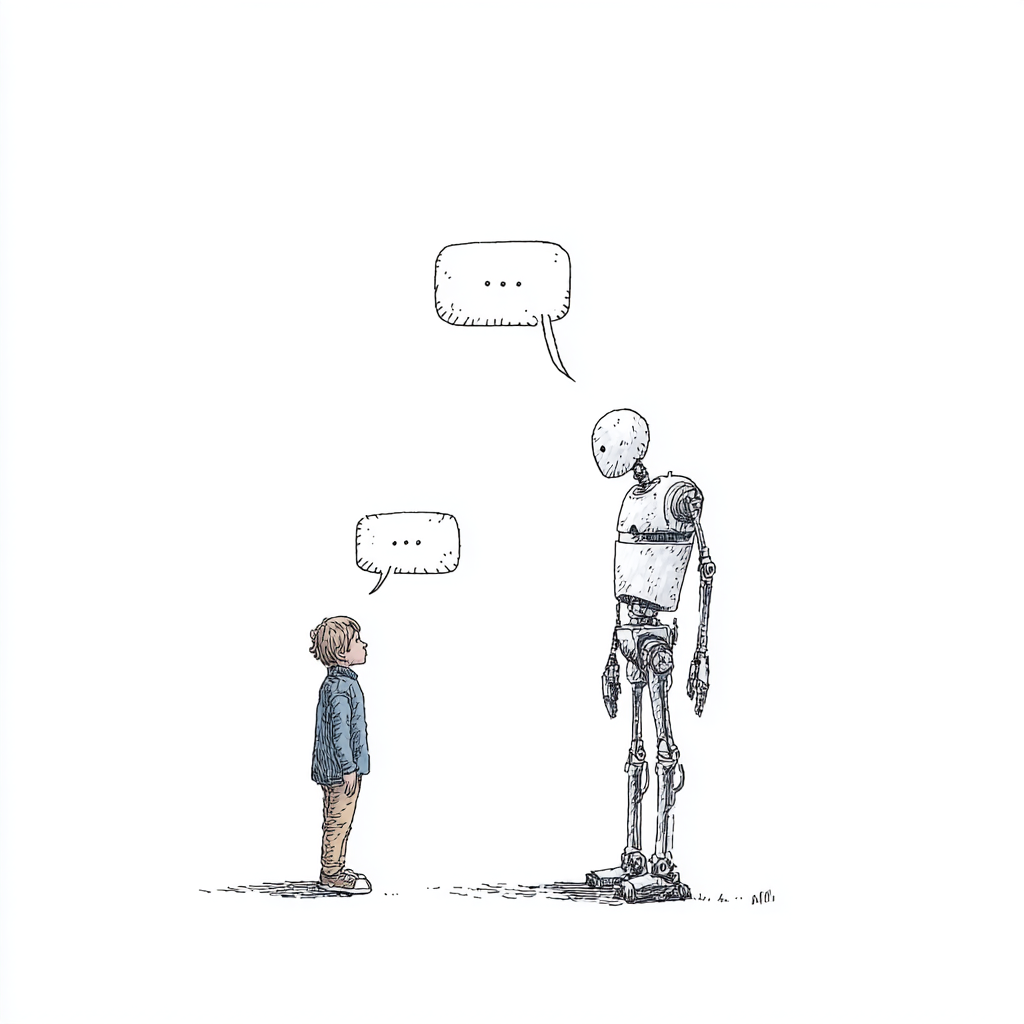
The question now confronting most every knowledge worker and student: how does one position oneself in the looming world of AI? Given that AI can now outperform most everyone on any standard education assessment, it would seem the effort to teach that which AI already does better to be a waste of time. Perhaps the alternative is to reorient education to focus on the discipline of thinking itself.
Such is the goal of dialogic education. The fruit of dialogic education is dialogic intelligence: the capacity to participate meaningfully in shared thinking, driven by real questions that matter. It may seem paradoxical but our focus article suggests AI itself might represent the best vehicle to achieve this goal, click: AI Can Teach Our Students the Art of Dialogue.
Yes, this same technology, arguably ruining essay writing as one’s natural skills atrophy, may now be applied via challenging conversations to help students sharpen their reasoning capability. At its core, the large language models offer something far more than merely answering one-off questions – they provide pedagogical partners at scale.
These private tutors, backed by a universe of knowledge, might be seen as benevolent sparring partners, offering a non-judgemental and tailored way to refine thinking by challenging, probing, and expanding “conversations” in unexpected ways. Yes, just as the boxing or Muay Thai competitor might attest, there’s a world of difference between learning, say, the basic skills of martial arts versus their real-life application in the ring. AI offers the intellectual equivalent by placing a Socratic teacher in every pocket.
The symbiotic relationship between man and machine was the subject of this WSJ article How To Stop AI Cannibalizing Human Intelligence that cited a neuroscientist who has reportadly worked some 30 years on the question of who’s smarter, the human or the machine. Long story short, the cited experiment pitting various human teams against AI revealed the relative underperformance by each on its own (though AI did outperform the humans) as measured against the small number of teams of humans that collaborated with AI as if that Socratic teacher in every pocket.
The results from the WSJ experiment demonstrated the power of AI as a sparring partner by comparing two groups: those who used AI as a genuine intellectual partner – whose thinking actually gets sharper through the friction of the collaboration – and those who get better at securing quick answers yet worse at knowing what questions to ask.
See, maybe those kids in the class first to raise their hand weren’t the smartest after all.
Please note the following RSVP Policy for Member Monday: RSVP sign-up opens up at 11:00am on Fridays via the City Club weekly Newsletter. Seats are first-come, first-served: the first 14 secure a spot at the table, the last 3 on the couch. Cancellations must be made 24 hours in advance or the standard Social Lunch rate applies.