
Trust Me
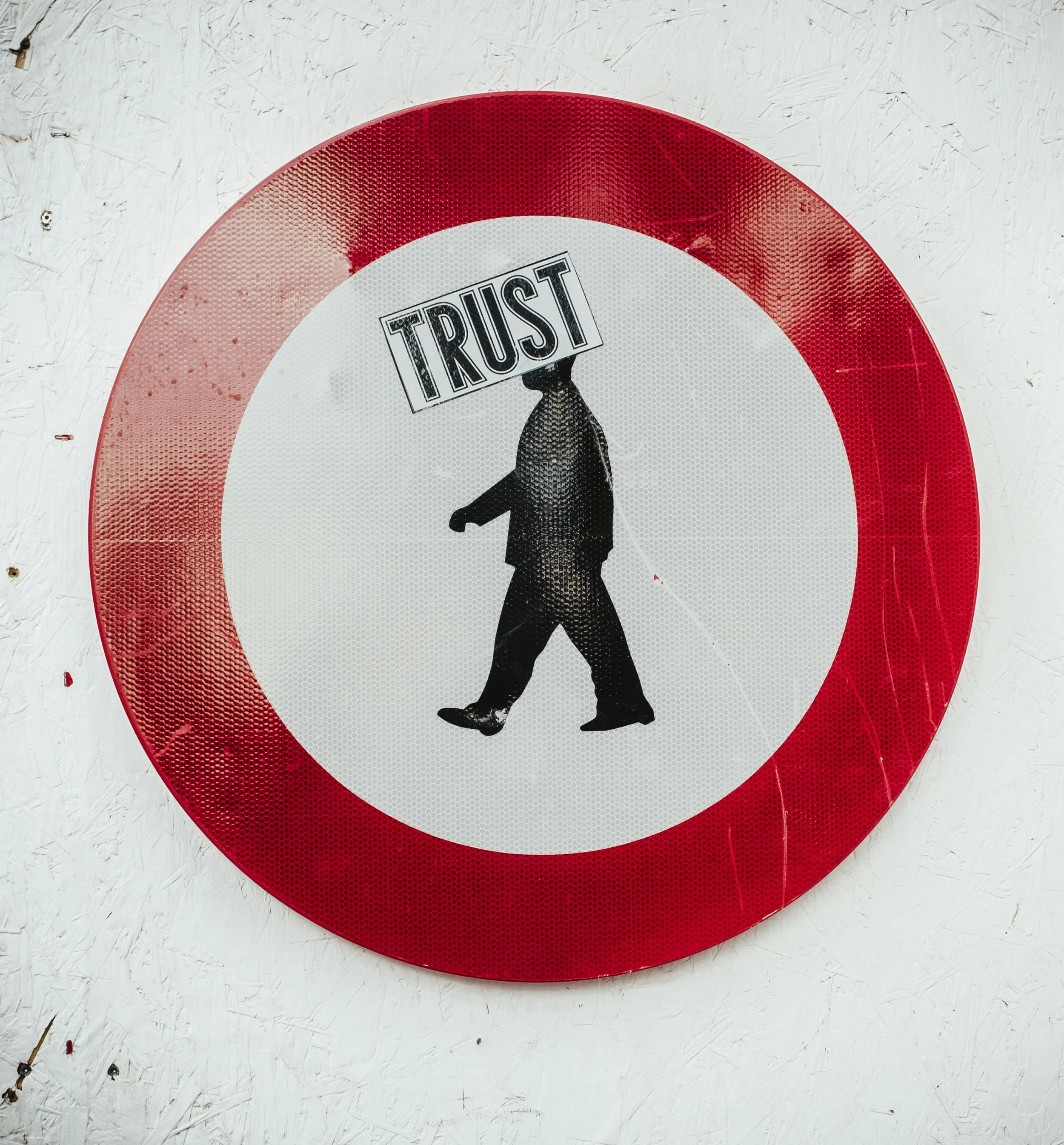
Trust me, how so? Trust me because, you see, a man’s word is his bond. Says who? Maybe it sounds sentimental but back in the Victorian Age trust and reputation were not peripheral virtues but were core to the business infrastructure. Now we have contracts.
Contracts for everything it seems. A rider in Van Halen’s roadie contract famously demanded backstage bowls of M&Ms with all the brown ones removed (in all fairness, it was meant to assure all the terms were actually read). More to the broader point, though, are commercial contracts such as this Fourth Amended and Restated Senior Secured Credit, Guaranty, Collateral, Intercreditor, Cash Management, and Hedging Agreement where one sentence can run for half a page, include eight defined terms, and end by referring you to an exhibit that refers you back to another section. People, you see, have ethics; corporations have contracts.
Our discussion goes well beyond contracts to the issue about the nature of trust in general. There are the so-called high-trust societies e.g. Scandinavian countries or, say, Japan, Switzerland, and New Zealand where trust and law are said to work together relatively well. Working well, that is, relative to what we find as we move down the social trust spectrum increasing the need for more time and energy to verify, insure, document, and litigate to protect yourself. Whether causation or correlation, the per capita number of lawyers in the United States dwarfs Japan by some 11-14 times.
The United States is often described as a middle-trust country because, while Americans retain substantial trust in family, friends, local communities and some institutions, they show comparatively modest trust in unfamiliar people and very low, polarized trust in national institutions. It turns out we are not a uniformly distrustful society, just a highly uneven one. A Reuters Institute’s cross-national survey put U.S. trust in news at 29%, last among countries surveyed.
Call it the fog of fiction. Perhaps it began in earnest when the term “alternative facts” first seeped into our vocabulary, about the time of MM 11/16/17 Gaslighting – that somewhat clunky gerund derivative of Gaslight, named for the 1940s movie depicting a man seeking to drive a woman insane through a manipulated “reality.” Call it spin if you like, but it sometimes feels as though a root cause of our current polarization stems from the inability to even agree on what the basic facts are e.g. border control, Covid-19 story, inflation rate, etc. We’ve been manipulated into, while maybe not insanity, a sullen state of passionate ignorance.
With trust seen as an all-important form of social capital, what’s to be done to elevate our national coefficient? A good first step might be a more conscious awareness of the degree to which that abysmal news industry has been captured by financial and political interests. Regard the screen first as a propaganda machine.
In the end, though, trust does come down to the individual level. Avoid an eye-roll here but apply the trustworthiness quotient to oneself. Ask yourself where, when, and why did you last tell a lie? If nothing else it tells you that you are weak. Trust me, I know.
Please note the following RSVP Policy for Member Monday: RSVP sign-up opens up at 11:00am on Fridays via the City Club weekly Newsletter. Seats are first-come, first-served: the first 14 secure a spot at the table, the last 3 on the couch. Cancellations must be made 24 hours in advance or the standard Social Lunch rate applies.