
The optimist, as they say, thinks this is the best of all possible worlds. The pessimist fears it is true.
Any self-respecting pessimist, however, would reframe the whole matter to be one of “realist,” thereby taking the literal high ground in parsing the distinction. It’s a short step from there to conclude that pessimism confers the one final unmistakable advantage in that it purports to make people sound smarter i.e. those who so soberly, wisely, and prudently stick to the known and the proven must inevitably be pessimistic (Why Pessimism Sounds Smart, though not our focus piece).
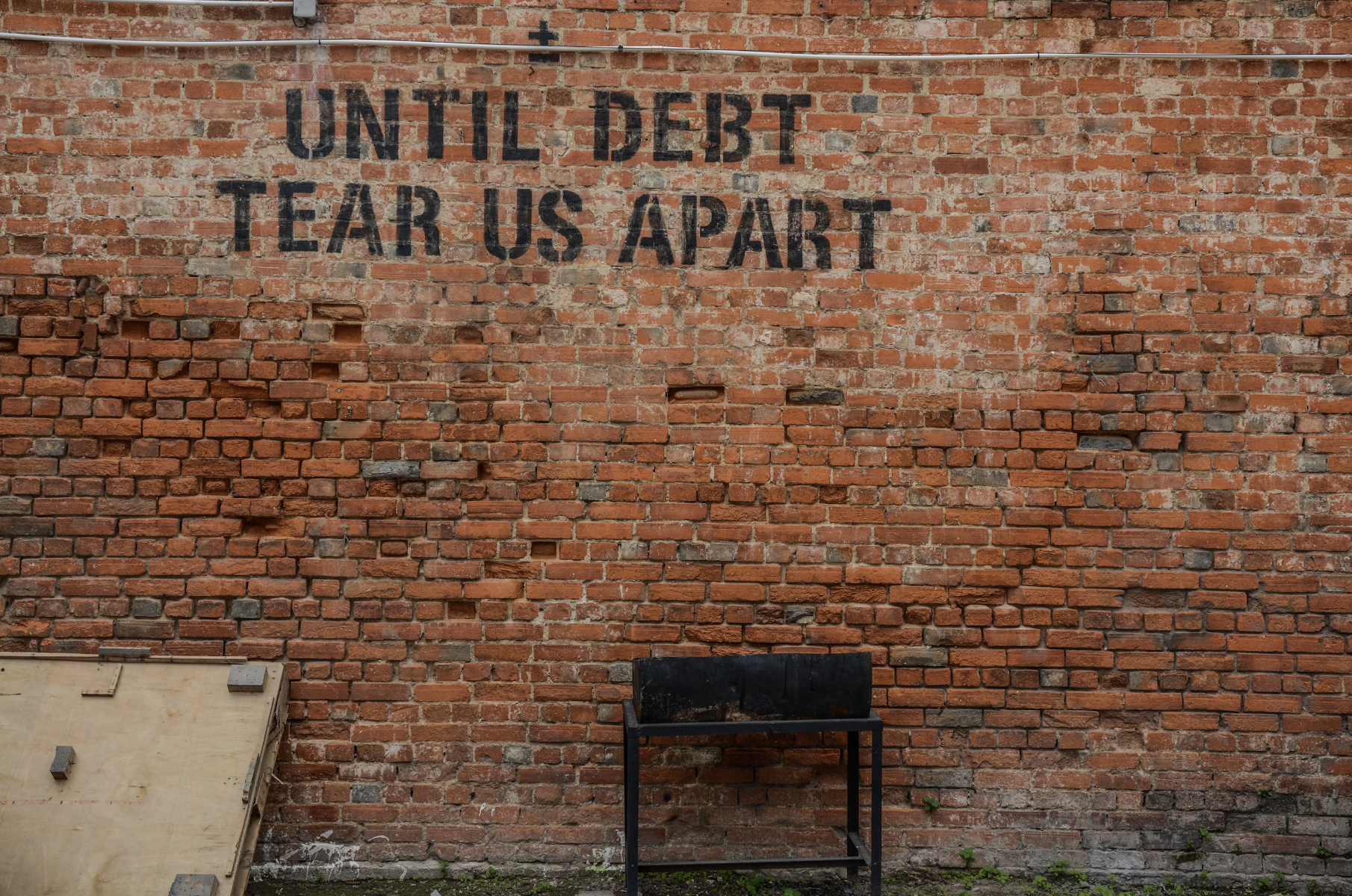
Or, as Woody Allen famously quipped: “More than any time in history, mankind faces a crossroads. One path leads to despair and utter hopelessness. The other, to total extinction. Let us pray we have the wisdom to choose correctly.” To that point, the offer of a free dessert still stands for the first person to describe a “realistic” way for us to extricate ourselves from this living, breathing, exponentially compounding national debt (something beyond “then a miracle happens”).
Our focus piece talks us off the ledge with a certain ironic detachment (click: The Seven Laws of Pessimism) with the suggestion that, while there may be no known solutions to solve our hardest problems – that’s why they’re the hardest – the way forward is powered with a mindset that can see through those cognitive fallacies he labels the seven Seven Laws of Societal Pessimism. After all, people throughout history had taken such leaps of faith where progress was not inevitable. Something beyond mere luck must be in play…
Read More