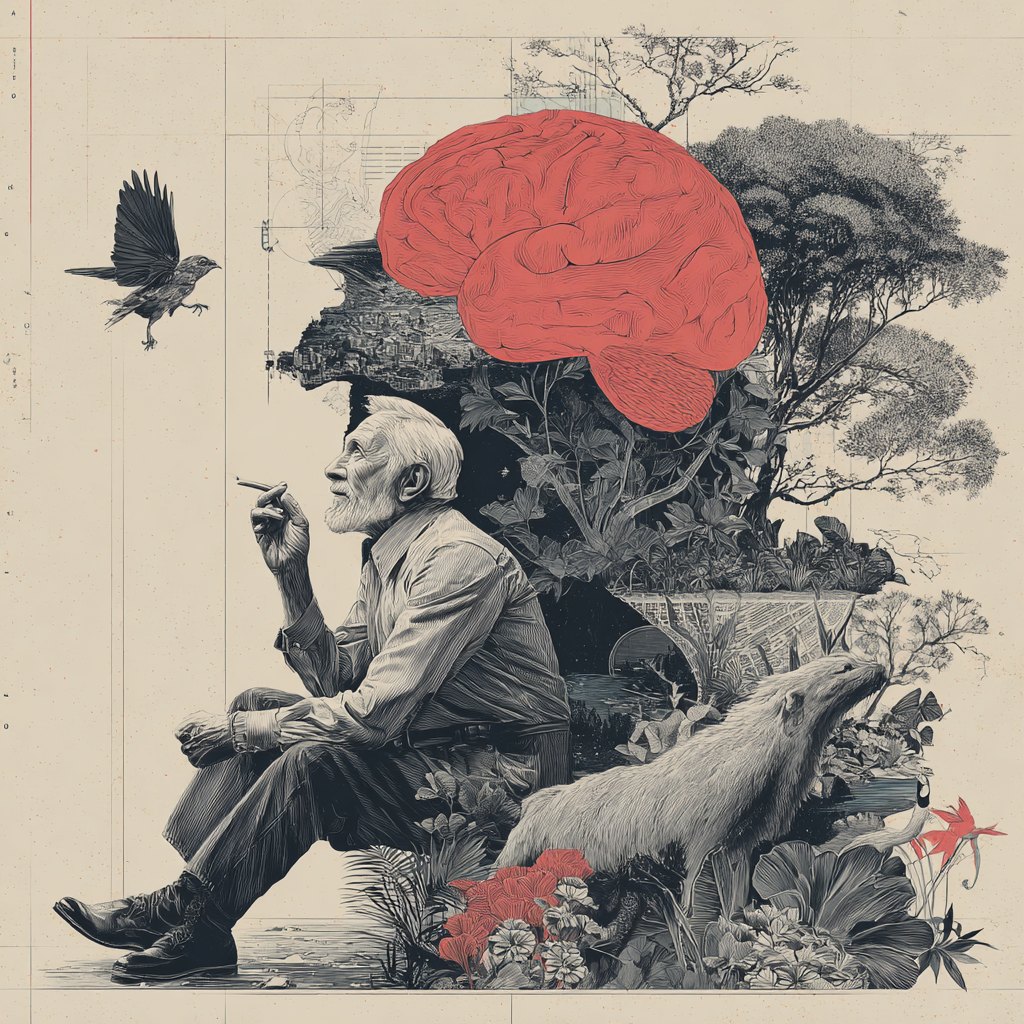

French poet Charles Baudelaire knew something about hatred and revenge which he regarded as futile, insatiable forces. He likened them to a bottomless barrel into which Vengeance pours endless blood and tears only to be drained by secret holes. The “red strong arms” of those bitter, destructive impulses doom the afflicted, be it an individual or a society, to a “universal bestiality” which inevitably leads to exhaustion without resolution. Maybe so, but still . . .
. . . . the urge for lurid, annihilating retaliation – vindication, satisfaction, the no-good bastard’s head upon a plate – must have come from somewhere, perhaps from some animal reflex of self-protection. How this atavistic impulse can turn into savage brooding is the subject of tragic theater (Hamlet?), generational blood feuds, and tribal dynamics throughout the millennia.
We’d like to think this old brutal arrangement might be tamed or at least mitigated by the laws of the state as it dispassionately metes out justice uncomplicated by private passions. There’s some irony, then, when it’s the very application of the law (think lawfare in politics) that itself becomes the vehicle of choice in such vendettas.
In any event, we will move from the land of the poets to the world of the psychologists to get behind the vengeance impulse with the somewhat surprising observation that the desire for revenge can actually be a form of addiction (click: Revenge Is The New Addiction). The science behind “grievance-triggered revenge craving” is described in terms of the real pain being activated in the anterior insula part of the brain throws it out of balance to such an extent that the brain seeks a rebalance by activating its pleasure and reward circuits which triggers the release of dopamine. ..
Read More