
Boulder's Renaissance
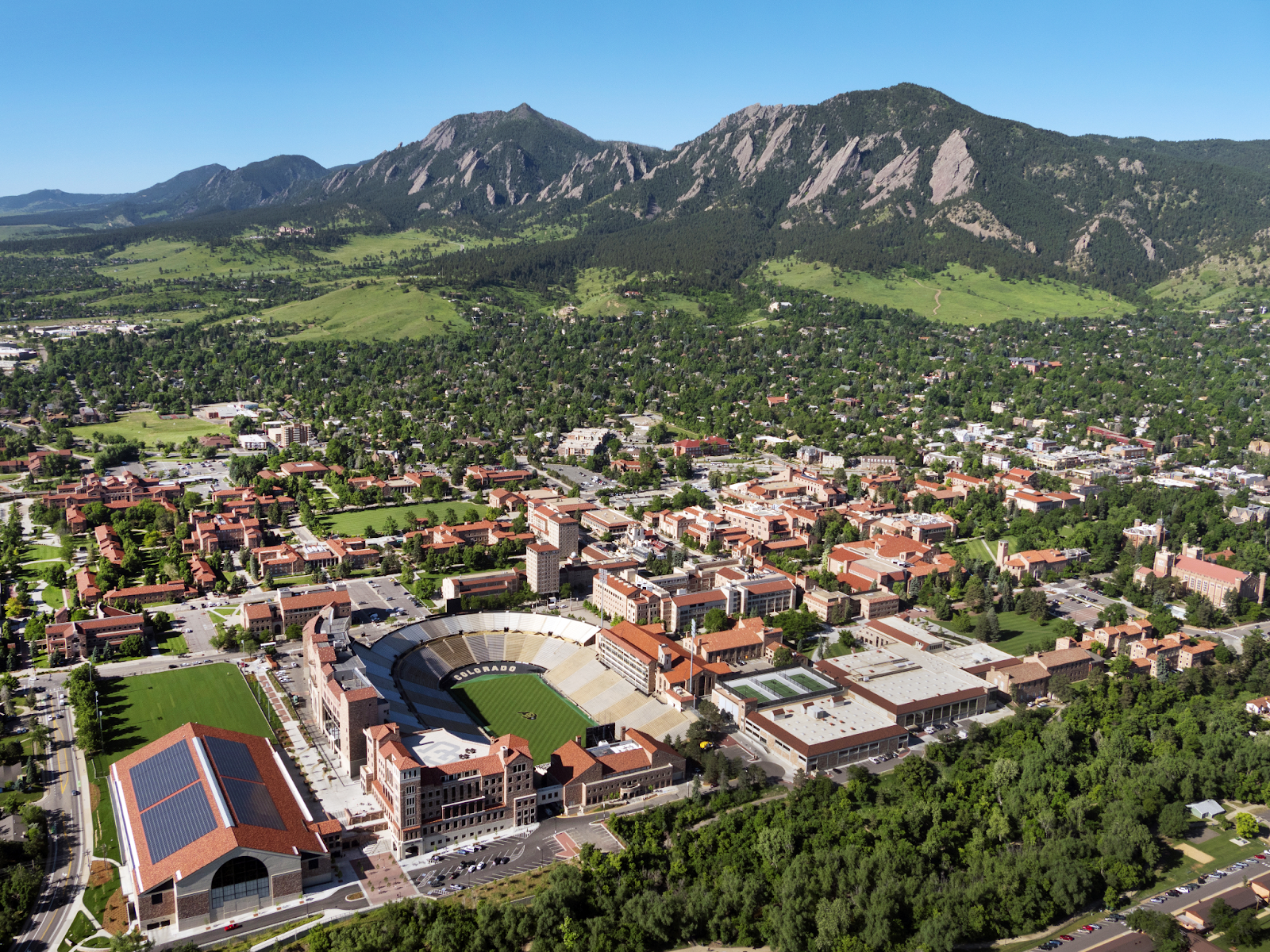
Founded amid the gold rush of 1859 and officially incorporated in 1871, Boulder has always punched above its weight by attracting the University of Colorado, the Chautauqua Movement, IBM, federal labs, spiritual seekers, world-class athletes, and pioneering entrepreneurs.
Rather than chasing size, Boulder pursued substance. Early founders hired Frederick Law Olmsted Jr. to craft a plan rooted in beauty and restraint. Growth was capped at 1% per year. A greenbelt and a blue line were drawn to prevent urban sprawl. Pearl Street Mall was born—and with it, a reputation as “The Athens of the West.”
Yet Boulder’s arc of progress has never followed a straight line. Like all cities, it has bent to the headwinds of history: recessions, wars, and waves of technological and economic disruption. Today, Boulder finds itself in a down cycle. Sales and property tax revenues are falling. The City faces budget deficits and political discord. Office vacancies approach 38%—including subleases and so-called ghost space. Federal labs are shuttering. Homelessness shadows the creek that gave Boulder its name.
Dawn often follows the darkest hour, and this moment may carry the seed of Boulder’s next renaissance. There are signs. CU’s plan to build a third campus. The arrival of the Sundance Film Festival. The launch of the Roots Music Festival and the Highland Institute. The dawn of quantum computing. Sinco International’s proposal for a cultural Village anchored by a 675-seat performing arts center. Conscious Bay Company's ambitious art district, anchored by a 2,500-seat performance hall. The Williams Brothers’ vision to reimagine Boulder’s gateway.
There is a disturbance in the force, but the pulse of renewal is quickening beneath the surface.
In my 55 years as a Boulder resident, I’ve witnessed many such cycles. Boulder will always be the Athens of the West. But if we dare to dream bigger, we might also become the Florence of the New West—a shining city on the hill, built on the enduring foundation of natural beauty, art, science, and civic engagement.
— Sina.