
Holiday Family Dynamics
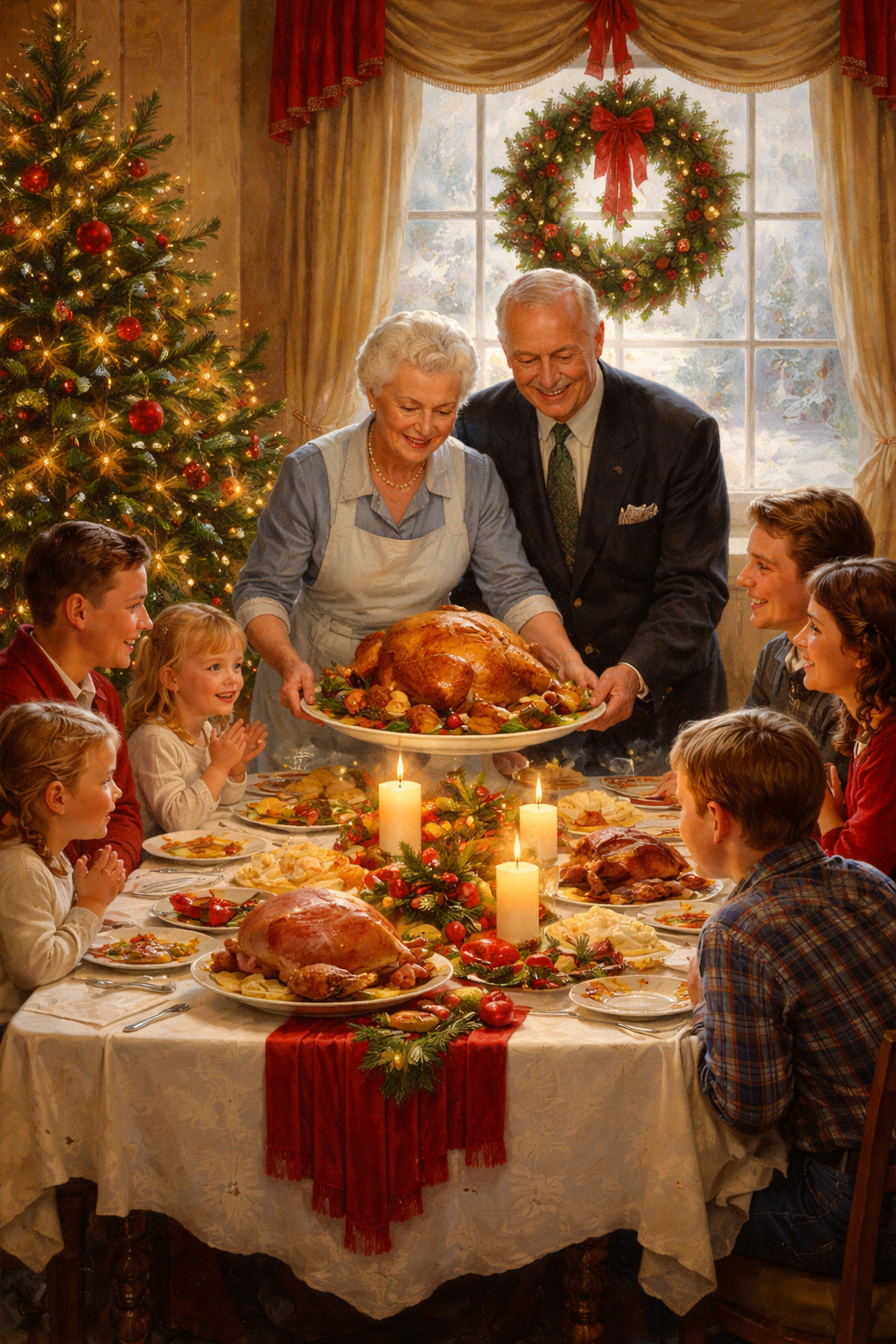
As we gather with family over the holidays, we share more than just time and space; we share memories, strengthen our bonds, acknowledge our differences, and observe sacred traditions.
It is no accident that nearly every religion celebrates light during the darkest time of the year. Short days, long nights, and winter’s cold are physically and psychologically taxing, urging us to retreat, sleep, and conserve. Instead, we resist. We light candles, decorate trees, exchange gifts, and gather around crowded tables—small acts of defiance against humanity’s oldest struggle: surviving another winter.
Beyond the eccentric uncle with off‑color jokes or the politically obsessed grandmother, the clearest source of family tension is parenting. Few things expose our differences more quickly—or more painfully —than this.
With nearly half of all first marriages ending in divorce, prenuptial agreements have become a cultural norm. Perhaps it’s time to consider a similar agreement around parenting. Religion versus spirituality. Discipline versus unconditional affirmation. Free‑range childhood versus helicopter parenting. Frugality versus generosity. Effort versus trust. These tensions often surface not in theory, but at the dinner table.
Parenting has become one of the most ideologically charged and emotionally fraught projects of modern life. Children don’t need perfection, but they do need coherence, boundaries, resilience, and adults willing to model responsibility rather than outsource it to institutions or algorithms.
Rahm Emanuel, my favored dark-horse 2028 Democratic candidate, recently explored this issue in an essay, "Lessons From Modern Parenthood. His reminder is clear: raising capable citizens matters more than raising comfortable ones.
Ultimately, the holidays are not about harmony, but continuity—passing on light, values, and responsibility, one imperfect generation at a time.
— Sina.