
Designing Faster Horses
My recent column on the potential for a Boulder Renaissance elicited some hesitation: What if that future brings more development, more density, more tourists? And who decides what a post-Renaissance Boulder should look like?
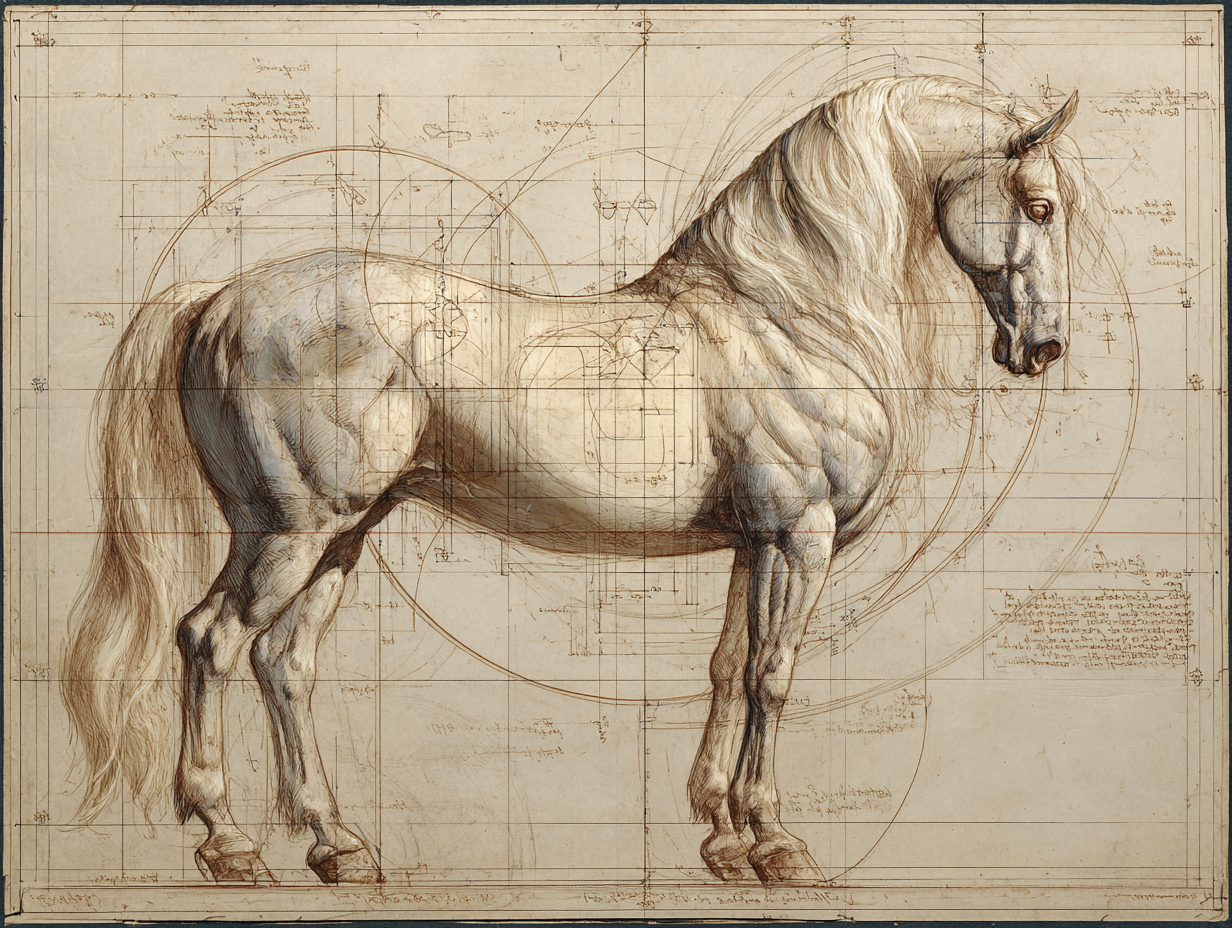
Henry Ford famously quipped, “If I had asked people what they wanted, they would have said faster horses.” Steve Jobs didn’t rely on a focus group to invent the iPhone. Elon Musk didn’t commission a study to build a self-driving electric car.
So what does Boulder want? Do we long for the “good old days” of mining and farming, or are we ready to become a regional hub for knowledge and culture? Do we prefer sprawl or density? Caution or vision?
The visionaries at Bell Labs built the first working transistor on December 16, 1947. A decade later, IBM purchased 644 acres in Boulder to usher in the age of digital computing. That campus now sits dormant. Boulder must decide whether that site will return to pasture or be reborn as a launchpad for quantum innovation.
With Sundance’s arrival, Boulder also sits on the cusp of a cultural reinvention. In 1910, Frederick Law Olmsted envisioned Boulder Creek as our Central Park. More than a century later, the city is finally preparing to issue an RFP to bring that vision to fruition and create a cultural commons many times the size of Pearl Street Mall.
From Sundance to quantum, from culture to inviting public spaces, Boulder stands at a crossroads. We can either resist the rising tide or learn to ride the wave.
Athens wasn’t built by consensus. Florence didn’t wait for permission. Every Renaissance begins with a handful of souls bold enough to dream beyond the present and stubborn enough to make it real.
Instead of designing faster horses, we should strive to shape the arc of history. Boulder’s next chapter is ours to write.
— Sina.