
Know Thyself
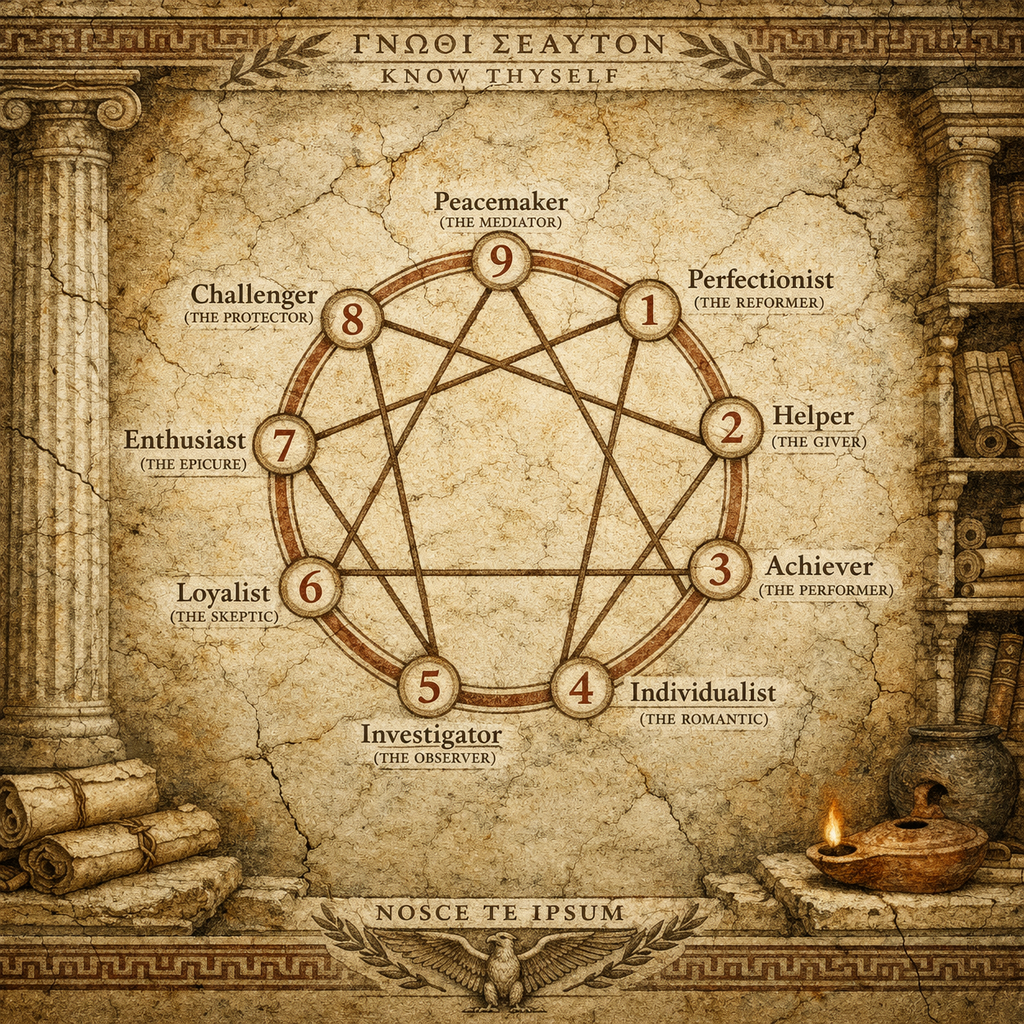
Simple ain’t easy. Even a partial fulfillment of Socrates’ command, “Know Thyself”, demands a lifetime of hard work.
The Bible tells us that Moses wandered the desert for forty years in search of the promised land. Beowulf’s journey from fearless warrior to a wise king who faced death alone reveals that true strength is coming to terms with one’s limits and legacy.
Arjuna, the conflicted warrior of the Bhagavad Gita, turned to Lord Krishna not to escape battle, but to understand it, and in doing so, to understand himself.
Rostam, the great hero of Ferdowsi's Shahnameh, stood as Persia’s answer to Hercules, guided by his wise father Zal—and sustained by his faithful horse Rakhsh—yet even he could not outrun the tragic consequences of fate and self-unawareness.
Each hero fights an outer battle that mirrors an inner one.
Across cultures and centuries, the pattern repeats. As Joseph Campbell taught, the Hero’s Journey is not reserved for mythic figures; it belongs to each of us the moment we begin with a simple recognition: while our lower nature seeks food, shelter, sex, and security, our higher nature aspires to love, honor, creativity, and meaning. The tension between them is not a flaw, but the path.
A good life is a gradual transition from the material to the spiritual. As the body ages and the intellect softens, something deeper awakens. We become less isolated, more connected. Less certain, more compassionate.
The first step is solitude: the ability to be alone without feeling lonely. Knowing oneself is hard work. But it is the only work that prepares us to live fully before we “shuffle off this mortal coil.”
— Sina.