
A Tortured Peace
We have seen this movie before.
Since 1979, when revolutionary students stormed the U.S. Embassy in Tehran and held 52 Americans hostage for 444 days, the conflict between Iran and the United States has unfolded not as a declared war, but as a series of violent episodes punctuated by uneasy pauses.
Operation Eagle Claw, the failed 1980 rescue mission, left eight American servicemen dead in the desert. In 1983, a Hezbollah-linked bombing in Beirut killed 241 U.S. service members. In 1988, the U.S. Navy crippled much of Iran’s fleet in Operation Praying Mantis, signaling a willingness to escalate, but not to finish.
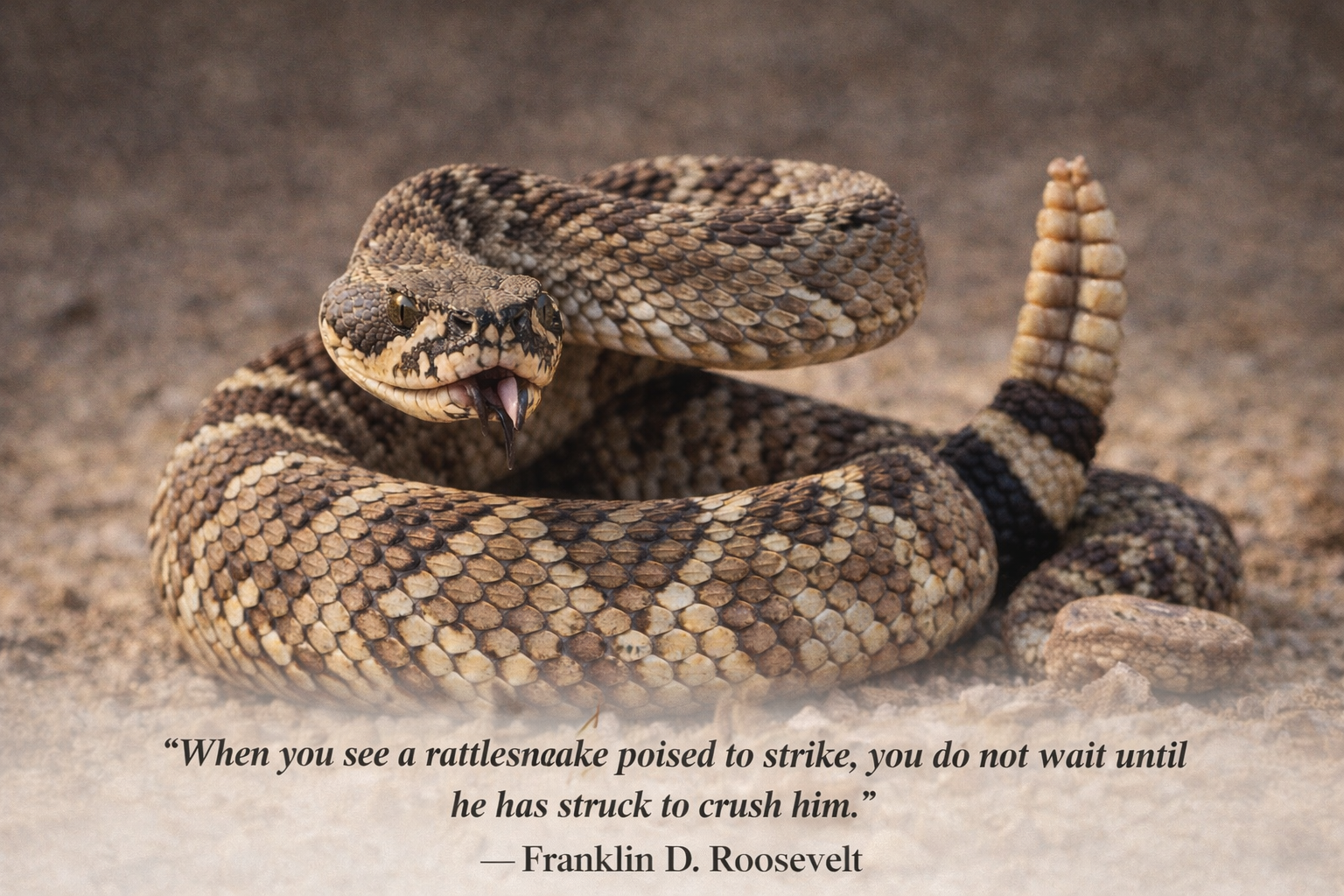
And so the pattern emerged: strike, absorb, pause. Repeat.
Meanwhile, Iran refined a different strategy. Rather than direct confrontation, it built a network of proxies—Hezbollah, Hamas, and others—forming what Israeli strategists call a “ring of fire.” This asymmetric posture allows Tehran to project power while avoiding full-scale war.
To suggest that a two-week ceasefire signals durable peace is to misunderstand the nature of this conflict. These pauses are not resolutions; they are recalibrations.
History offers a harsher lesson. Wars between determined adversaries rarely end through gestures. They end when one side loses either the capacity or the will to continue.
What, then, is the endgame? Containment, deterrence, reform, liberation, or something more decisive?
While a ceasefire may quiet the battlefield, it will not settle the score. Beneath the surface, the forces driving this conflict—ideology, power, survival—remain very much alive.
The storm has not passed; it is merely catching its breath. So long as the regime that fuels this cycle endures, so will the cycle itself. The uncomfortable truth is that lasting peace may require more than another ceasefire. It requires a regime change in Iran, however costly that path may be.
— Sina.