
The Enduring Wisdom of the Odyssey
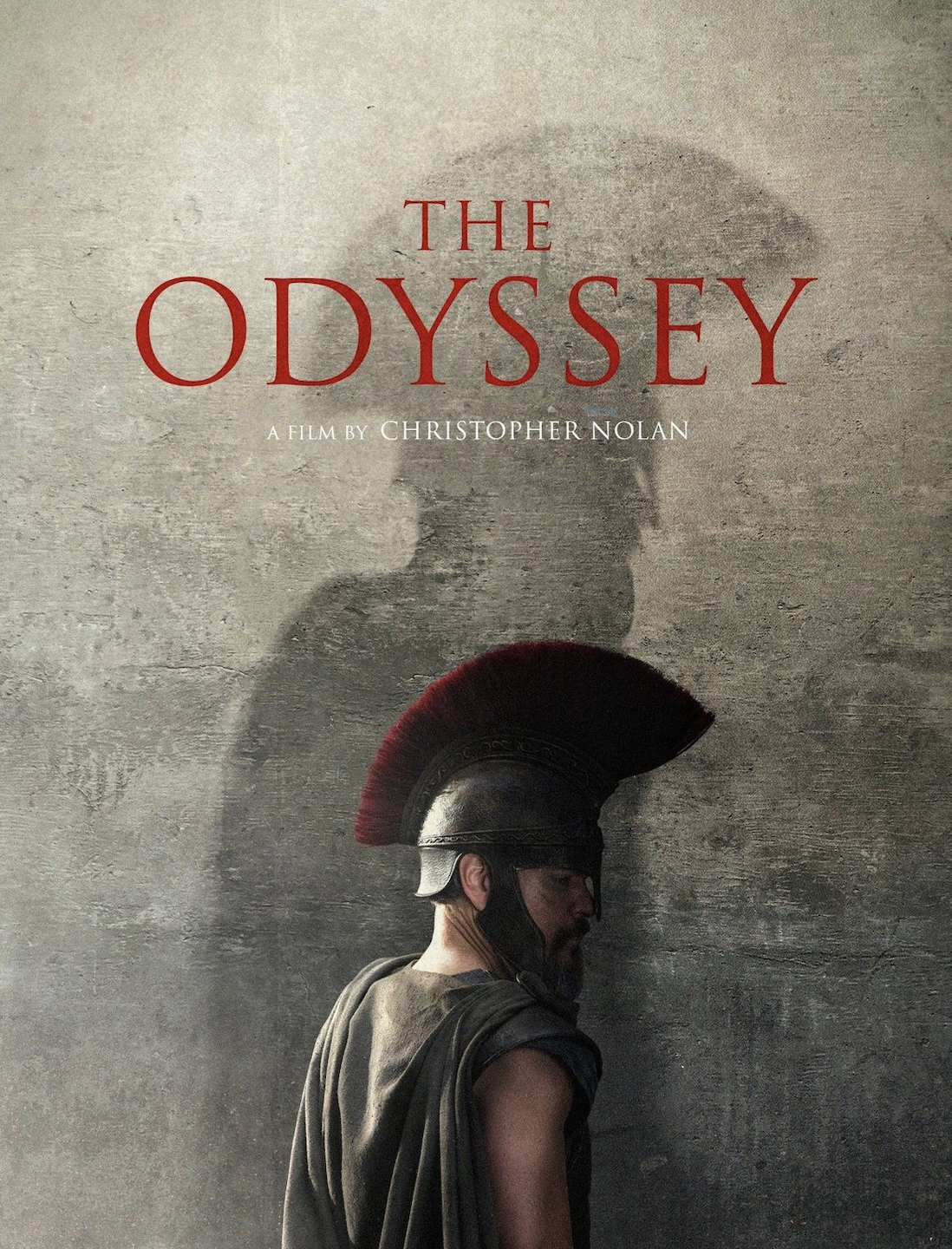
I recently watched Christopher Nolan’s adaptation of The Odyssey and was reminded why this ancient Greek epic has endured for nearly three millennia. It tells the story of Odysseus’ long and perilous journey home after the Trojan War. Yet it is more than an adventure about monsters, storms, and wandering. It is a meditation on character.
Odysseus survives because he understands that choices have consequences. Promises matter. Oaths are sacred. Homer reminds us that promises, loyalties, and duties are not conveniences to be abandoned when circumstances change. They are the foundation of trust and civilization itself.
The poem also insists that wisdom begins by recognizing the difference between right and wrong. That clarity feels unfashionable today, when every moral judgment is explained away by context or endless qualification. Homer refuses to blur moral responsibility. Mercy has its place, but so does justice. Hospitality toward strangers is not mere courtesy but a sacred obligation.
Nothing illustrates this more than the ending. After returning home, Odysseus confronts the suitors who had consumed his wealth, violated the sacred laws of hospitality, and conspired to seize both his kingdom and his wife. He locks them inside the great hall and kills them. Homer presents this not as vengeance, but as the restoration of justice after prolonged lawlessness. Some readers may debate that judgment, yet the poem makes it clear that virtue and vice are not interchangeable.
That is why The Odyssey still speaks across the centuries. Civilizations endure because people keep their word, welcome the stranger, distinguish right from wrong, and possess the wisdom, courage, and character to act accordingly.
May we each possess the wisdom to embody Homer’s timeless lessons.
— Sina.