
Grow Up To Be A Philosopher
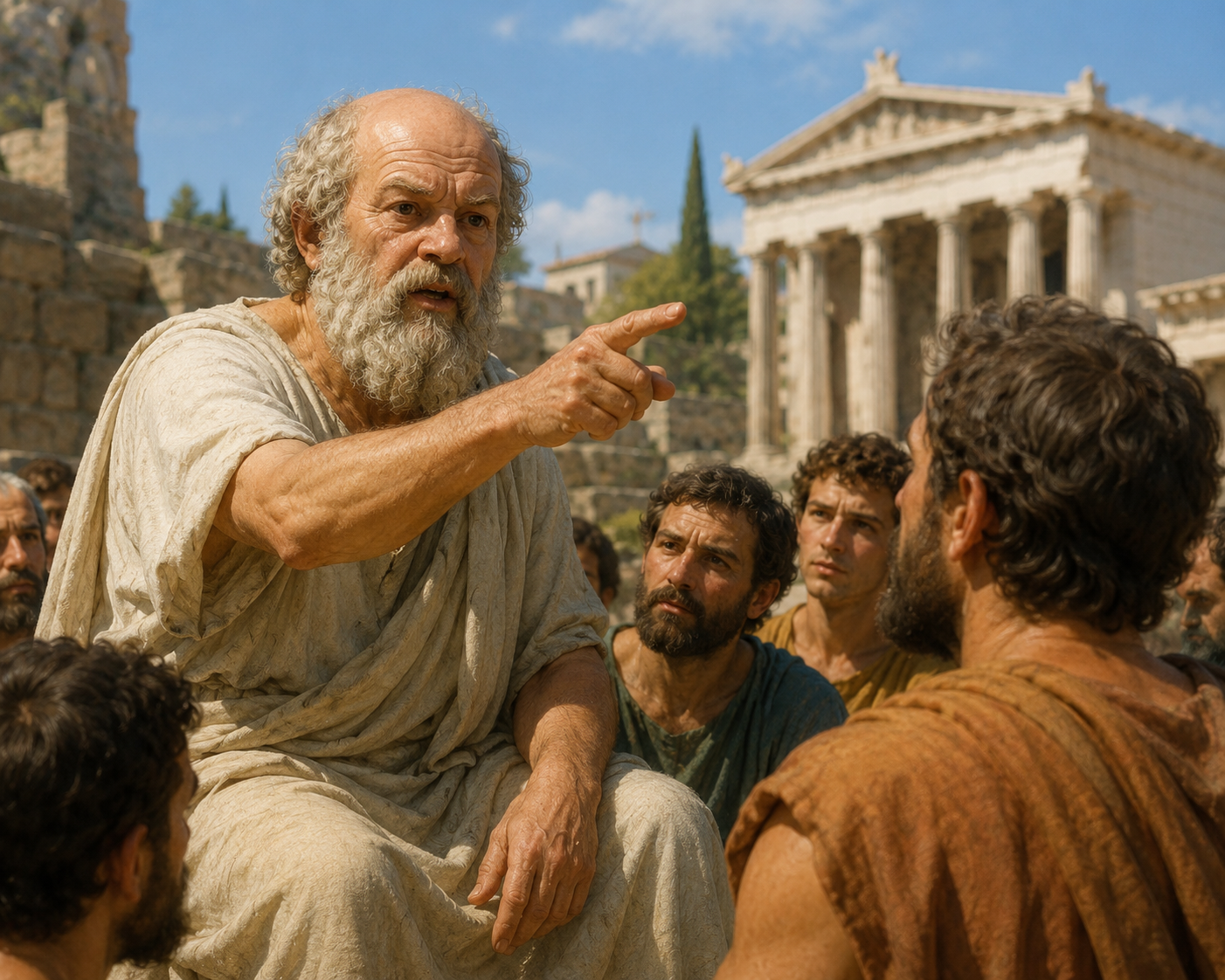
“What do you want to be when you grow up?” It is a question we ask children but rarely ourselves.
Most of us spend the first half of life building careers, raising families, accumulating wealth, and earning reputations. Those are worthy pursuits. But eventually a more important question emerges:
Who am I becoming?
The ancient Greeks believed philosophy was not an academic subject but a way of life. The word itself means the love of wisdom. The Stoics often viewed life’s problems backward, asking: Knowing that I will someday die, how important is the problem before me today?
That simple question separates the essential from the trivial.
In an age overflowing with information, wisdom has become increasingly scarce. A philosopher is not someone who merely studies old books, but someone who continually seeks a better way to live. Like a honeybee gathering nectar from many flowers, philosophers collect ideas from many traditions before transforming them into something uniquely their own.
The second half of life need not be defined by retirement. It can become a renaissance. While our physical strength may gradually decline, our capacity for judgment, compassion, and wisdom can continue to grow for the rest of our lives.
That is one of the aspirations behind Highland City Club. Beyond the delicious food, enchanted gardens, and heartfelt conversations is the belief that the highest purpose of community is not simply to entertain us, but to help us become wiser human beings together.
So the next time someone asks what you want to be when you grow up, perhaps the best answer is also the oldest:
“A philosopher.”
— Sina.
P.S. On a lighter note, one of my favorite sayings—often attributed to Socrates—offers an alternative path to philosophy: “By all means, marry. If you get a good wife, you will be happy. If you get a bad one, you will be a philosopher.”