
A No-Trust Society
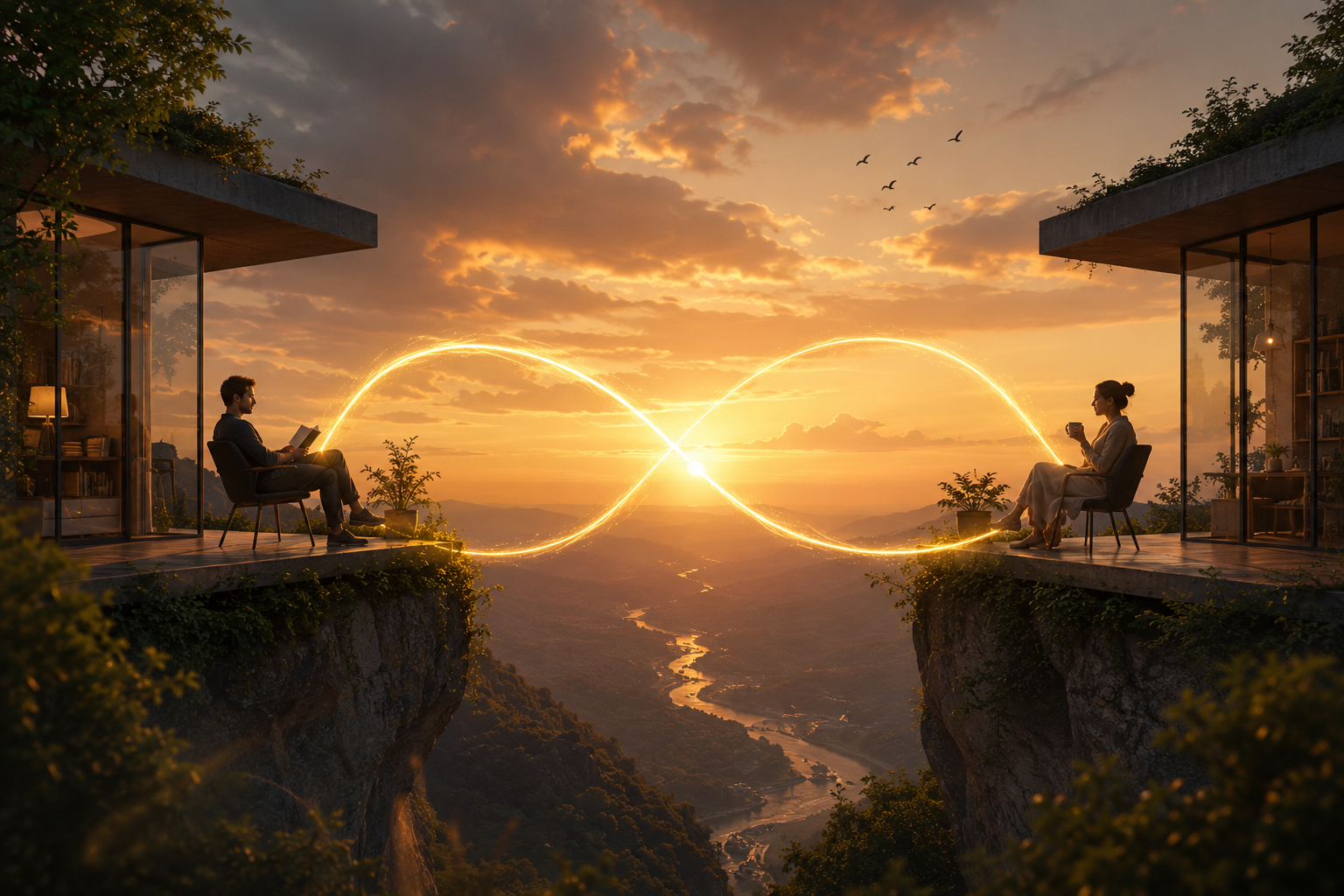
Last week I wrote about high-trust societies and Boulder’s potential to become one. But at the Highland Institute for the Advancement of Humanity, we like to ask: What comes next?
One need not be a Stoic or a Machiavellian to know it’s a jungle out there, where might makes right and you are either eating lunch or being lunch.
Civilization emerged from that jungle by creating law and order, common currencies, and common languages—including mathematics and music. These innovations allowed strangers to trust one another.
Consider money. For centuries, a king stamped his image on a gold or silver coin and declared its value. Eventually, governments replaced kings, paper replaced metal, and trust in institutions replaced trust in gold.
Then came Bitcoin: a currency designed to function without requiring trust in a king, government, or bank. Its promise is not greater trust, but no need for it.
Could relationships evolve similarly?
The animal in us seeks a partner to survive and procreate. If fortunate, lust becomes love. But dependence creates fear: fear of betrayal, abandonment, or death.
Perhaps the stage beyond trust is independence.
Imagine two people who love each other but are financially independent, maintain separate homes and friendships, and remain together not because survival, convention, or dependency demands it, but because each morning they freely choose the other.
This is not distrust. Distrust says, “I fear what you might do.” No-trust says, “My happiness does not depend upon controlling what you do.” Like Bitcoin—or perhaps “friends with no benefits”—the relationship becomes decentralized.
Maybe the highest form of love is not needing someone and trusting them never to leave, but being free to leave—and choosing to stay.
True freedom is living unafraid.
— Sina.