
Fauda vs. NAZA
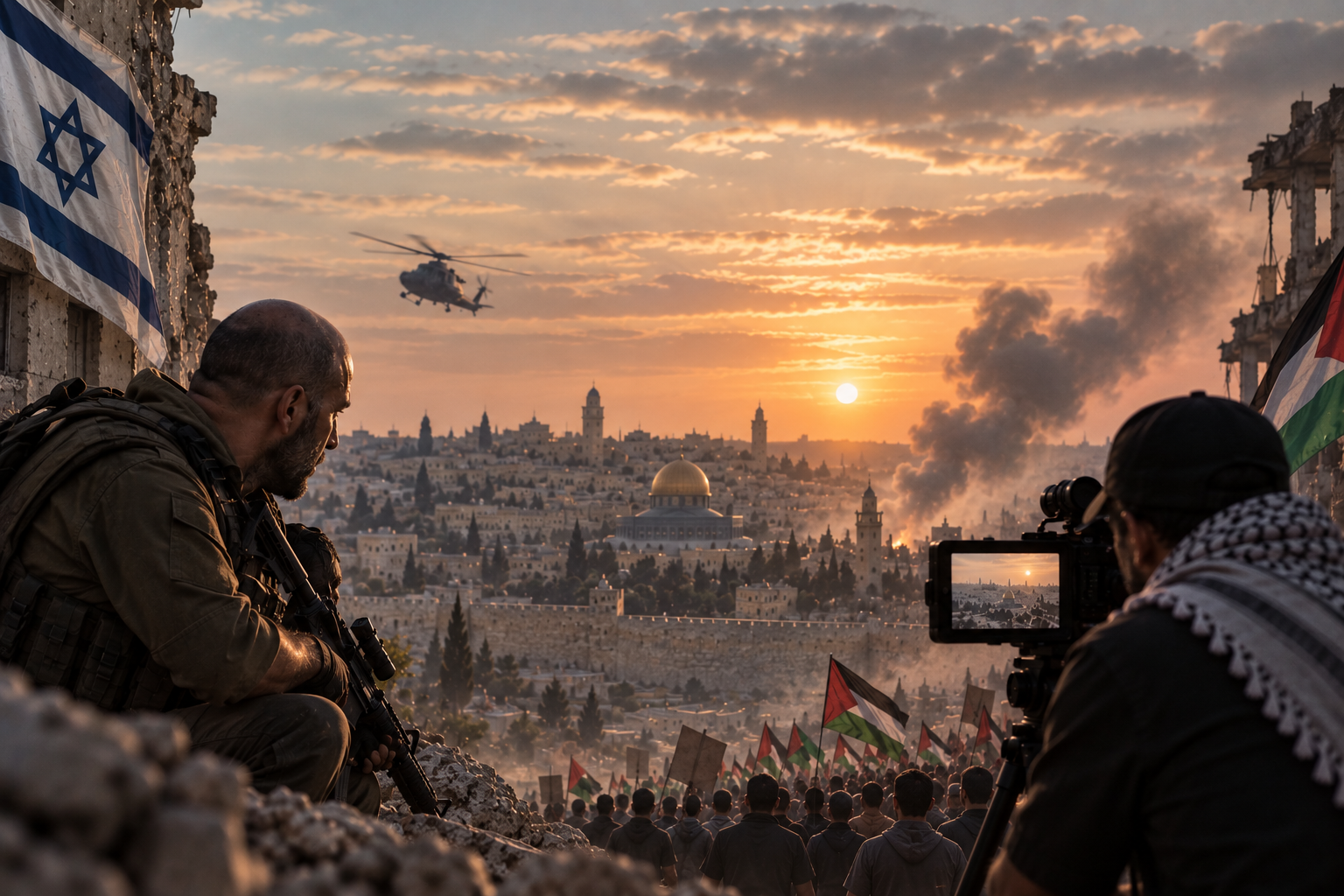
This week’s attempted hijacking of a Dubai–Tel Aviv flight made me think again about two very different stories emerging from the same conflict.
At the Venice Film Festival, NAZA, a documentary about Israel’s conduct in Gaza, received a 24-minute standing ovation and international attention while presenting a deeply accusatory interpretation of the war.
Meanwhile, Netflix released Season 5 of Fauda.
For four seasons, Fauda was simply terrific television: an Israeli counterterrorism drama in which Jews and Arabs speak each other’s languages, infiltrate each other’s worlds, kill each other, and occasionally understand each other.
Then came October 7.
The writers abandoned their original Season 5 storyline and confronted the trauma that had transformed Israel. The result is sometimes painful to watch.
Yet something remarkable happened.
During its first week, Fauda attracted 2.1 million viewers, reached Netflix’s Top 10 in 41 countries, and became the number-one show in both Israel and Lebanon.
Why?
Perhaps because facts rarely change minds as effectively as stories change hearts.
We live in an age drowning in information but starving for understanding. Israelis and Palestinians can show photographs, casualty statistics, cellphone videos, maps and eyewitness testimony; two people can examine the same evidence and emerge believing opposite things.
Fauda does something different.
Its Israelis are not superheroes. They are frightened, wounded and sometimes reckless. Its Arabs are not simply villains. Some are terrorists; others are victims, allies, parents and friends. Everyone lives inside the same tragedy.
The Arabic word fauda means chaos.
Perhaps that is the most truthful word of all.
War is chaos. History is complicated. Human beings are contradictory.
Sometimes fiction gets us closer to understanding reality than another argument about the facts.
— Sina.