
The Colorado River Crisis and the Battle for the American West
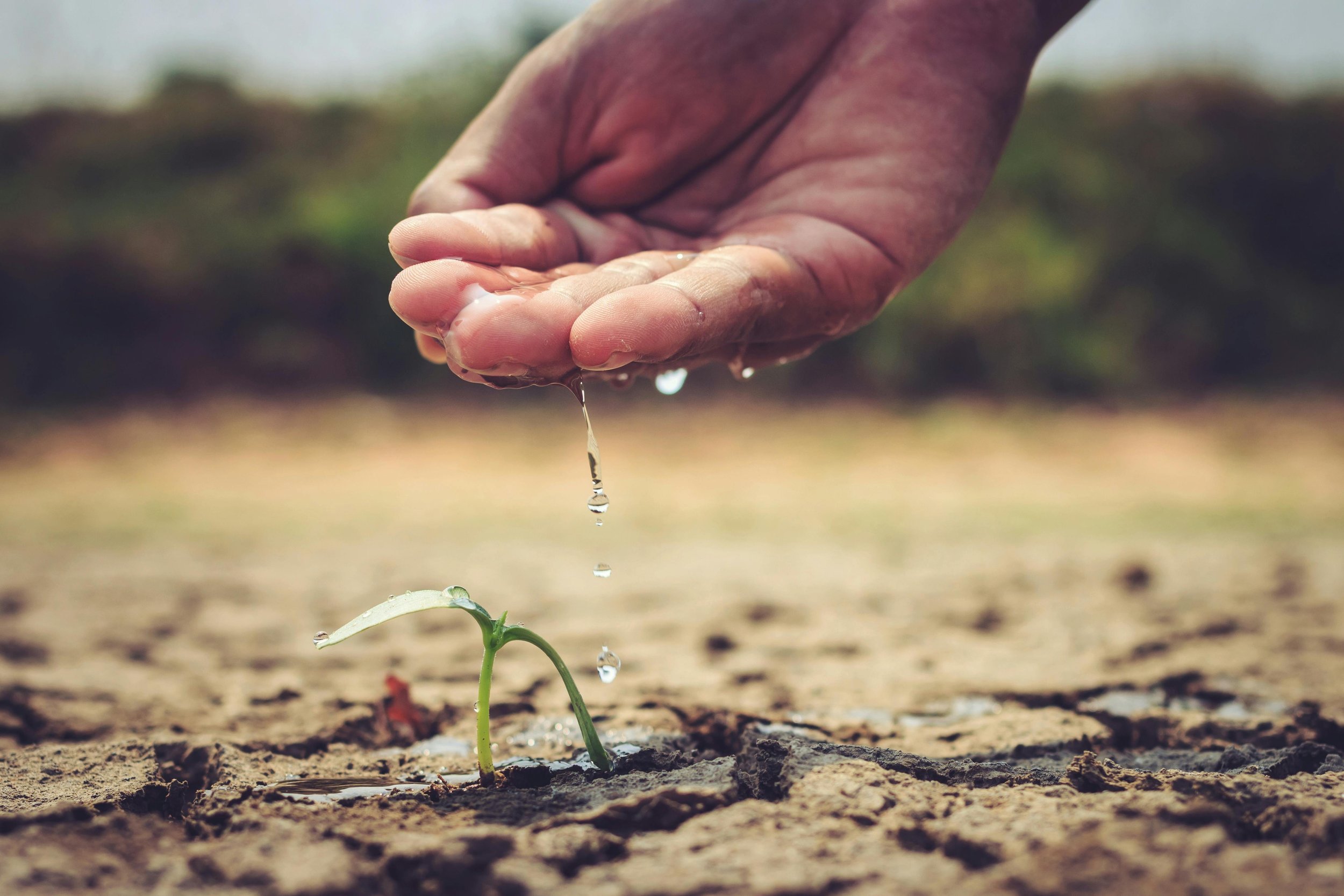
“How can Phoenix have so many farms, golf courses and pools when they have no water?”
A question I heard repeatedly from friends who visited me when I lived in Scottsdale from 1996 until 2025.
Candidly, I thought the same thing, and I sought out the answer prior to embarking on buying land in the Sonoran Desert where rainfall is less than 7 inches annually.
The answer was a marvel of 20th Century engineering, the Central Arizona Project (CAP), a 336-mile system of aqueducts, tunnels and pumping plants that divert water from the Colorado River was what allowed the metropolitan population of Phoenix to double from 1996 to 2025, growing from approximately 2.53 million residents to over 5.22 million residents.
In the spring of 1997, I wanted to know how long this was sustainable and consulted an environmental expert from Arizona State University. He explained that the Colorado River has been the foundation for growth of the modern American West, supplying water to homes, farms, industry, and our beloved golf courses. He educated me on the 1922 Colorado River Compact that divided up the Colorado among seven basin states divided into the Upper and Lower Basins along with 30 Native American tribes and Mexico.
This expert indicated that the 1922 Colorado River Compact legally bound states to a “paper river” – allocating more water than the river produces because at the time the river was anomalously higher because of a wetter stretch of years prior. He said this agreement had been working well until two major developments occurred 1) air conditioning made living in the desert durable and 2) the growth and necessity of farming in California’s Central Imperial Valley. These two demands started to suck more water from Colorado and would eventually create a significant challenge in 2026 when the compact would expire and need to be renegotiated. (And that did not include the 25-year mega drought that began in 1999).
I said, “thank you and duly noted,” and I planned on enjoying life in the Valley and selling my home in 2025, which I did last July.
So, what is the status of the Colorado River and how are the negotiations going for a new Colorado Compact?
Well, the Wall Steet Jornal article on May 15, 2026, succinctly sums it up this way: The Colorado River is on the Brink of Disaster.
Watch PBS: As the Colorado River dries up, how Western states are confronting the water crisis.
The southwestern United States has been in a drought for more than 20 years. It's created a serious problem for the Colorado River, and tens of millions of people in the region. Parched is a podcast about people who rely on the river that shaped the West – and have ideas to save it. Hosted by Michael Elizabeth Sakas, a climate, and environment reporter for CPR News.
Read: Dead Pool: Lake Powell, Global Warming, and the Future of Water in the American West by James Lawrence Powell
Where will the water come from to sustain the great desert cities of Las Vegas, Los Angeles, and Phoenix? In a provocative exploration of the past, present, and future of water in the West, James Lawrence Powell begins at Lake Powell, the vast reservoir that has become an emblem of this story. At present, Lake Powell is less than half full. Bathtub rings ten stories tall encircle its blue water; boat ramps and marinas lie stranded and useless. To refill it would require surplus water―but there is no surplus: burgeoning populations and thirsty crops consume every drop of the Colorado River. Add to this picture the looming effects of global warming and drought, and the scenario becomes bleaker still. Dead Pool, featuring rarely seen historical photographs, explains why America built the dam that made Lake Powell and others like it and then allowed its citizens to become dependent on their benefits, which were always temporary. Writing for a wide audience, Powell shows us exactly why an urgent threat during the first half of the twenty-first century will come not from the rising of the seas but from the falling of the reservoirs.
DISCUSSION TOPICS
Why do humans need to control nature for its own growth and development and disregard sustainability?
With a diminished river, what does that mean for the communities and industries that depend on that water?
Sectoral Conflicts: Cities vs. Agriculture or Upper Basin vs. Lower Basin.
Infrastructure and Deadpool Realities, do we need to rethink the dams?
The Energy-Water Nexus: the loss of hydroelectric power at the Hoover and Glen Canyon Dams would not mean less clean water but less clean electricity.
Who will be the winners and losers in this battle?
What is being done to provide urgently needed relief for the business already affected?
Equity, Sovereignty, and Geopolitics
The Future of Governance
Please note the following RSVP Policy for Member Monday: RSVP sign-up opens up at 11:00am on Fridays via the City Club weekly Newsletter. Seats are first-come, first-served: the first 14 secure a spot at the table, the last 3 on the couch. Cancellations must be made 24 hours in advance or the standard Social Lunch rate applies.