
Bob Dylan Opens Up
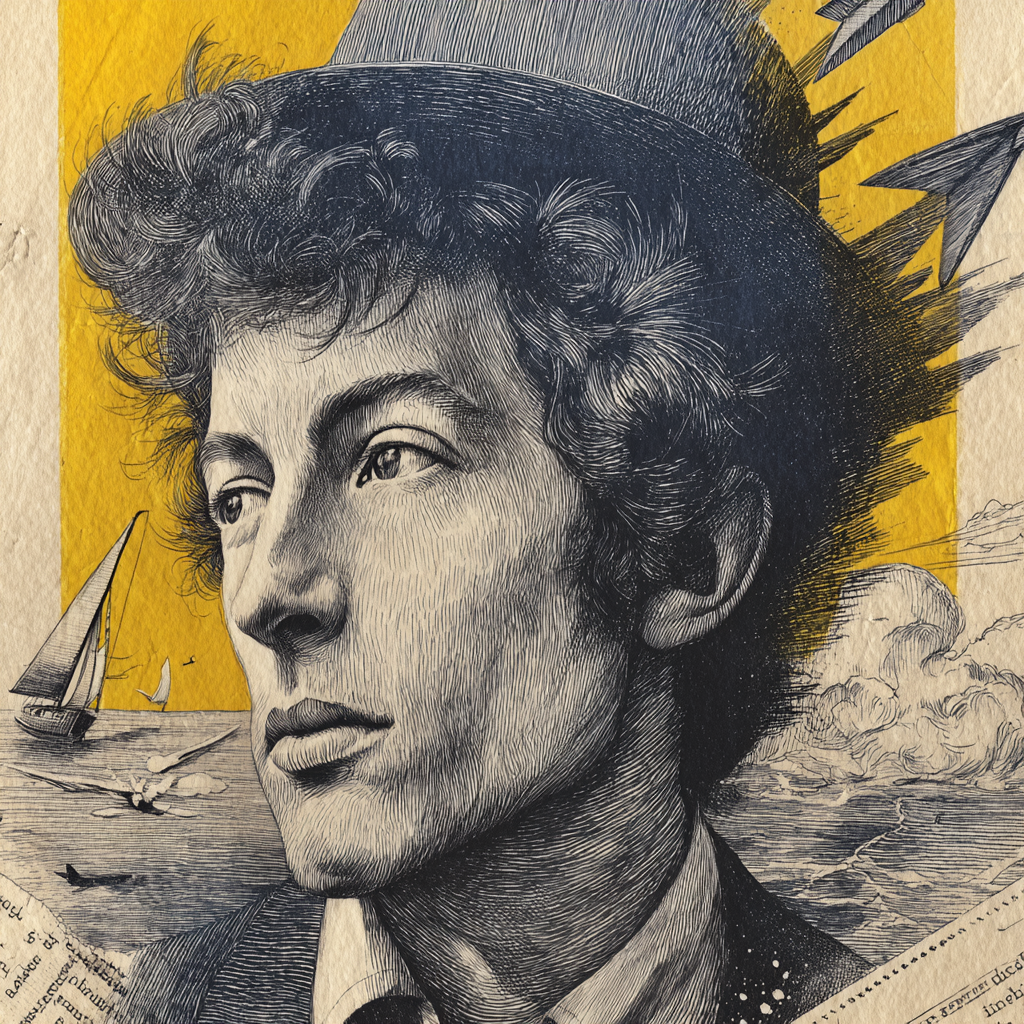
Few would deny Bob Dylan’s cultural influence and the way it has spanned music, literature, and politics. Out of the 1960s counterculture and beyond came that familiar refrain about “there’s something happening here but you don’t know what it is do you Mr. Jones?” What was happening there in that folk-rock era was the inability of even (maybe especially) the well-read man to comprehend the rapid changes about to engulf the, ahem, status quo. After some fifty years the culture remains seasick.
And, so, it might be useful for us to discuss the various influences that inspired that influencer Dylan himself as he expanded folk and pop lyrics by importing techniques from classic literature, modern poetry, and surrealism, making dense, allusive writing part of mainstream music as it seeped into culture itself. Well, as it turns out, we’re in luck in that it was flushed out somewhat ten years ago when he was awarded the Nobel Prize for Literature.
The award itself is kind of beside the point. He seemed to view the award as a kind of intrusion, letting three weeks pass before even acknowledging the honor, thereby dissing the Royal Majesties, the King and Queen of Sweden as they awaited his answer. He eventually responded to their invitation to come to Stockholm to accept the coveted Prize, though he did by sending a proxy rather than in person. Classic Dylan, part of that persona featured in Bob Dylan's Superpower Is That He Doesn't Get Embarrassed.
But that’s all secondary to the main point that he finally did accept the prize (in absentia) and submitted that required essay about those literary inspirations, the focus of our discussion (click: Bob Dylan – Nobel Lecture - Essay).
Consider the three featured works – Moby Dick; The Odyssey; and All Quiet On The Western Front – as a mere template for discussion, not some sort of required reading list. Perhaps you vaguely recall some of them from way back, or were exposed to snippets over the years, or, yes, perhaps you might read an AI synopsis or simply rely on Dylan’s own take on those works. Or even none of those as you just want to splash around and simply share the thoughts and observations of other participants.
As a starter, we’d taken a stab twenty (!) years ago in the monthly book club (predecessor to the weekly MM) at Moby Dick on the subject of evil, asking the question whether we can even define evil or is it a question of we know it when we see it? Dylan invokes Old Testament biblical allegory to explain how different men react in different ways to the same experience. He submits we see only the surface of things.
So, as we asked ourselves so many years ago, was Moby Dick merely the immense, vengeful, malignant destroyer of life? What if the life being destroyed were itself evil? Does that elevate Mr. Dick’s status from that of evil to good, even God? Same question as to Ahab. It seems we see Ahab’s harpooners everywhere. Call me Ishmael.
Dylan then invokes The Odyssey as inspiration, particularly through the visit by Odysseus to the famed warrior Achilles in the underworld, leading Achilles to conclude that it was all a mistake to trade a long life full of peace and contentment for a short one full of honor and glory. Better to be a lowly slave to a tenant farmer on Earth than what he is now – a king in the land of the dead.
But the real painful lessons, Dylan maintains, come with the horrors of war as he asks with regard to All Quiet On The Western Front. What happened to all that culture from a thousand years ago, that philosophy, the wisdom – Plato, Aristotle, Socrates – that should have prevented this? Even as nature stands unaffected by all this.
So what does it all mean, he asks? Enigmatic as always, he says the themes can mean lots of different things but the importance lies in how and whether they move us. Let’s take that sentiment as inspiration for our own discussion.
Please note the following RSVP Policy for Member Monday: RSVP sign-up opens up at 11:00am on Fridays via the City Club weekly Newsletter. Seats are first-come, first-served: the first 14 secure a spot at the table, the last 3 on the couch. Cancellations must be made 24 hours in advance or the standard Social Lunch rate applies.