
Living On The Edge: The Vulnerable Beauty of American Western Conifer Ecosystem
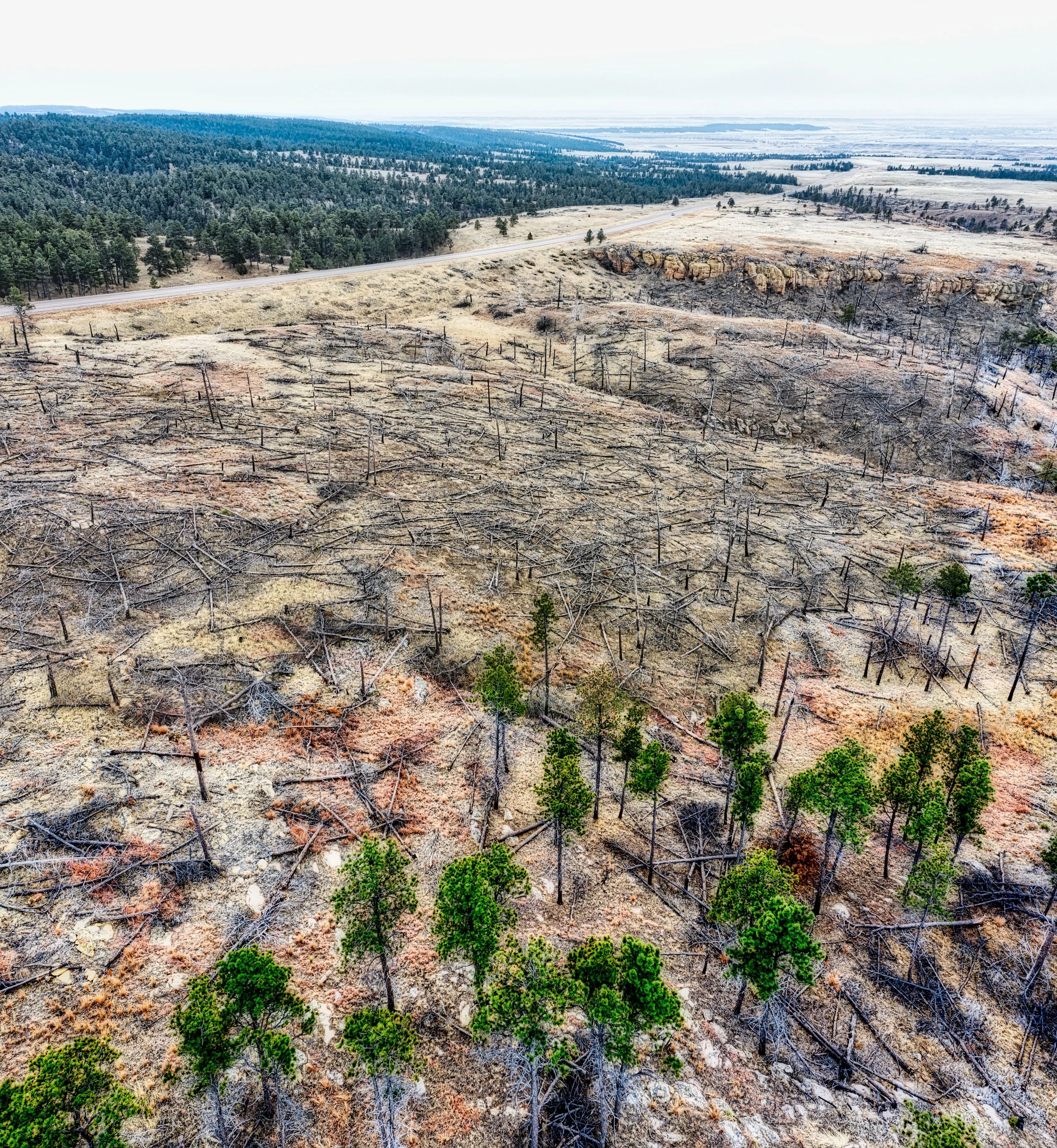
I am a promiscuous tree hugger!
Literally, I will wrap my arms around any type of tree in any type of forest.
My unusual love affair with forests and trees began during the lonely summers of my teenage years in the 1970’s.
Our family has a summer place on a 18th century abandoned farm that nestles up against Stokes State Forest in Sussex County New Jersey, and I would spend countless days and hours hiking and exploring in the woods.
Stokes State Forest is filled a wide array of different tree species including white and red oaks, pitch pine, bear oaks, black cherry, Eastern hemlocks, white pines, American beech, tulip poplars, shagbark hickory, and many other types of trees.
The forest showed me what it means to have nature hold you. Offering much-needed peace, to be sure. But beyond peace, a feeling of being sheltered – a sense that even when the world is dark, there are places you can go to feel some measure of belonging.
My passion also helped me academically, since for my freshman biology term paper, I scrapped book the leaves from different trees, outlined their genus, family, and origin and shared what the different trees meant to me personally.
In 1989, I visited the Grand Canyon NP and camped in the Coconino National Forest and fell in love immediately with one of the most ironic, towering conifers of the American West, the ponderosa pine.
What a moving experience being surrounded by these stately, charismatic, orange-brown, vanilla smelling pine trees! They were nothing like I had ever seen on the east coast, and I vowed to spend time with them again.
In the late 1990’s, I moved to Phoenix and visited Flagstaff in the high country, where I would spend weekends at the AZ Mountain Inn which was nestled and surrounded by a 100-year-old ponderosa pine forest.
It was around this time, I became a board member of the Center for Biological Diversity, an environmental non-profit based in Tucson headed by Kieran Suckling. Kieran started his career with a short-lived stint the US Forest Service and was an expert on all wildlife species especially the different forests ecosystems of the American West.
During one of our meetings in the mid-aughts, he predicted that if the drought that began in 1998 continued and temperatures increased, the ponderosa pine along with many other western conifers would eventually die out or be consumed by wildfires and would be replaced by grasslands or smaller forests filled pinyons and junipers.
Tragically his prediction has come true.
After 26 years of exceptionally high heat and drought, hundreds of millions of these trees in the Four Corners to the Sierra Nevadas and California have died.
As our geological climate epoch has changed from the Holocene to the Anthropocene, these trees and forests will not be coming back nor will many of the species who live there.
The ramifications of conifer ecosystem collapse are multi-layered and significant.
As Gary Ferguson, outlines in his attached guest NYT essay A Water Doom Loop Is Coming. He is the author of “The Twilight Forest: An Elegy for Ponderosa in a Changing West” which will provide the background for our discussion.
As drought and dry conditions persist, one major concern is numerous wildfires and mega fires.
Boulder County and the Front Range are surrounded by the Arapaho and Roosevelt National Forests which are in the danger zone.
USDA Wildfire Risk Management - https://apps.wildfirerisk.org/explore/overview/08/08013
As we all know, the fire season is off to a devastating start and this is an important topic to discuss (see attached WAPO article) .
Discussion topics:
Why are forests and trees important?
What do the forests that surround Boulder mean to you?
How will the rural areas, the exurbs and gateway cities deal with the fire risk being surrounded by millions of dead trees?
How should Boulder and everyone prepare for wildfire risk?
It is possible 72% of all evergreens in the Southwest will be gone by 2050, what will happen the birds and wildlife that thrive in these forests?
Discuss solastalgia which is the deep grief that is felt as one’s world and home landscape is unraveling?
What can we do to slow or reverse this environmental crisis?
Please note the following RSVP Policy for Member Monday: RSVP sign-up opens up at 11:00am on Fridays via the City Club weekly Newsletter. Seats are first-come, first-served: the first 14 secure a spot at the table, the last 3 on the couch. Cancellations must be made 24 hours in advance or the standard Social Lunch rate applies.